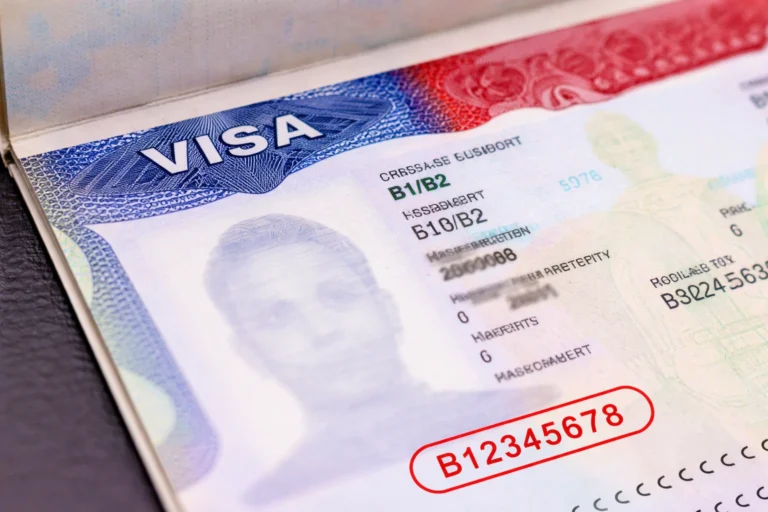
What Is Visa Provisioning Service?
If you have ever applied for a visa or managed visas for employees, students, or travelers, you may have come across the term visa provisioning service and felt unsure about what it actually means. This confusion is common because the term sounds technical, yet it refers to a very practical process that affects whether a visa is issued smoothly or delayed.
In this guide, you’ll learn exactly what a visa provisioning service is, how it works, who uses it, and why it matters—explained clearly, without legal jargon or assumptions.
What does a visa provisioning service actually mean?
A visa provisioning service is a structured process or support system that helps prepare, manage, verify, and submit visa-related information to the appropriate authorities.
Instead of being a single document or approval, it is a service layer that sits between the applicant and the visa-issuing authority. Its purpose is to make sure everything required for a visa is accurate, complete, compliant, and submitted correctly.
In simple terms, it helps ensure that a visa application is “provisioned” properly before and during processing.
Why visa provisioning services exist in the first place
Visa systems are complex by design. Governments require strict documentation, identity checks, eligibility verification, and compliance with immigration rules.
Visa provisioning services exist to solve three main problems:
- Applicants often don’t know exactly what documents or data are required
- Errors or missing information cause delays or rejections
- Organizations need a consistent way to manage many visa requests
By standardizing and guiding the process, these services reduce mistakes and improve approval outcomes.
Also, explore Attorney Immigration UK Global Talent Visa: A Comprehensive Guide
How a visa provisioning service works step by step
Collecting applicant information
The process starts by gathering all required personal, travel, employment, or academic details. This may include passports, invitation letters, employment contracts, enrollment records, or travel plans.
The key role of the service here is validation—checking that information is accurate, current, and formatted correctly.
Verifying eligibility and compliance
Next, the service reviews whether the applicant meets visa requirements. This step helps catch issues early, such as incorrect visa category selection or missing eligibility criteria.
For organizations, this prevents submitting applications that are likely to be rejected.
Preparing and submitting the visa request
Once verified, the service prepares the visa application according to official standards. Depending on the country and system, this may involve digital submission, appointment scheduling, or coordination with embassies or visa centers.
Some provisioning services also track the application status and notify applicants of updates.
Managing follow-ups and corrections
If authorities request additional documents or clarification, the provisioning service helps respond correctly and on time.
This reduces confusion and prevents avoidable delays.
Who typically uses visa provisioning services?
Individual applicants
Travelers, students, and professionals often use visa provisioning services to avoid mistakes and save time—especially for complex visas.
Employers and companies
Organizations hiring foreign workers rely on visa provisioning services to manage compliance, documentation, and timelines at scale.
Educational institutions
Universities and training institutes use these services to support international students with consistent visa preparation.
Government and authorized partners
In some systems, visa provisioning is integrated directly into official platforms or authorized service providers.
Is visa provisioning the same as visa approval?
No. This is a critical distinction.
A visa provisioning service does not grant visas. It supports the process leading up to the decision.
The final approval or rejection always rests with the government authority issuing the visa.
Common misconceptions about visa provisioning services
“It guarantees my visa will be approved”
It does not. It improves accuracy and compliance, which can increase the chance of success—but approval is never guaranteed.
“It’s only for corporate visas”
Visa provisioning services are used for tourist, student, work, family, and business visas, depending on the system.
“It replaces embassies or immigration offices”
It doesn’t replace them. It supports applicants and organizations in working correctly with official systems.
What happens if visa provisioning is done incorrectly?
Poor or incomplete provisioning can lead to:
- Application delays
- Requests for additional documents
- Rejections due to technical errors
- Missed travel or employment timelines
In organizational settings, it can also create compliance risks and operational issues.
When should you consider using a visa provisioning service?
You should consider it if:
- The visa process is unfamiliar or complex
- Multiple visas need to be managed consistently
- Timelines are strict
- Compliance and accuracy are critical
For simple cases, individuals may manage on their own. For higher-stakes or high-volume scenarios, provisioning services add real value.
How visa provisioning services fit into modern immigration systems
Modern immigration systems increasingly rely on digital platforms, data validation, and centralized processing.
Visa provisioning services align with this shift by acting as a bridge between applicants and digital visa infrastructures, ensuring that submissions meet technical and legal requirements before review.
FAQs
Is a visa provisioning service mandatory?
No. It depends on the visa type and country. Some systems require authorized providers, while others allow direct applications.
Can individuals use visa provisioning services, or only companies?
Both can use them. Individuals often choose them for guidance and error reduction.
Does using a visa provisioning service speed up approval?
It can reduce delays caused by errors, but it does not control official processing times.
Are visa provisioning services the same worldwide?
No. The scope and structure vary by country, visa category, and system design.
Conclusion
A visa provisioning service is not about shortcuts or guarantees—it’s about doing the visa process correctly from the start.
By organizing information, verifying compliance, and guiding submissions, it helps applicants and organizations navigate complex visa systems with clarity and confidence.
If you understand what visa provisioning is and how it works, you’re already better prepared to approach any visa process with fewer surprises and better outcomes.