
How Polish Ancestry Opens the Door to EU Residency
In an increasingly globalized world, the allure of European Union (EU) residency is undeniable. For many, the dream of living, working, and traveling freely across 27 diverse and culturally rich countries is a compelling prospect. While traditional visa programs offer one route, a lesser-known path exists for those with Polish ancestry. By tracing family roots back to Poland, individuals can potentially unlock the door to EU residency and citizenship. This article explores how Polish ancestry can lead to EU residency, the process of tracing family history, the necessary documentation, and why this option is gaining popularity among Americans and Canadians.
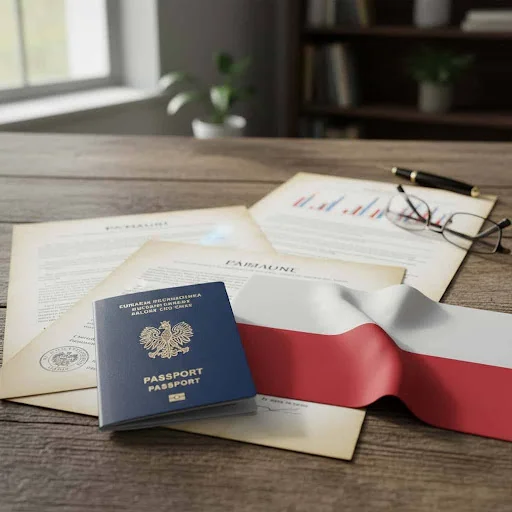
The connection between Polish roots and the right to live anywhere in the European Union
The European Union offers its citizens the right to live and work in any member state without the need for additional visas or permits. For individuals with Polish ancestry, this right can be accessed through Polish citizenship by descent. Poland, like many EU countries, recognizes the principle of jus sanguinis, or “right of blood,” which means that citizenship can be passed down through generations. If you can prove that you have Polish ancestors, you may be eligible to claim Polish citizenship, thereby gaining the rights and privileges of an EU citizen.
This connection is particularly significant because it bypasses the often complex and lengthy processes associated with obtaining residency through employment or investment visas. Instead, it offers a more direct route to EU residency, provided that the necessary genealogical links can be established. This opportunity is not only a legal pathway but also a chance to reconnect with one’s heritage and cultural roots.
How tracing family history back to Poland can lead to full EU citizenship
Tracing your family history back to Poland is the first crucial step in the journey towards EU citizenship. This process involves researching and documenting your Polish lineage, which can be both a rewarding and challenging endeavor. The key is to gather as much information as possible about your ancestors, including birth, marriage, and death records, as well as any documentation that proves their Polish nationality.
Once you have gathered sufficient evidence of your Polish ancestry, the next step is to apply for Polish citizenship by descent. This process typically involves submitting your documentation to the Polish authorities, who will assess your eligibility. It’s important to note that the requirements can vary depending on the specific circumstances of your family history, so it’s advisable to seek professional guidance to navigate the complexities of the application process.
For more detailed information on the process, you can visit https://lexmotion.eu/polish-citizenship-by-descent/. This resource provides comprehensive guidance on how to successfully claim Polish citizenship through descent, including the types of documents required and the steps involved in the application process.
Why more Americans and Canadians are exploring this route as an alternative to traditional visa programs
In recent years, there has been a noticeable increase in the number of Americans and Canadians exploring Polish ancestry as a pathway to EU residency. Several factors contribute to this trend. Firstly, the traditional visa programs often come with stringent requirements and limited quotas, making them less accessible to many individuals. In contrast, obtaining citizenship through descent offers a more straightforward and potentially faster route.
Additionally, the prospect of dual citizenship is particularly appealing. It allows individuals to maintain their current nationality while enjoying the benefits of EU citizenship, such as the ability to live and work in any EU country, access to healthcare and education, and the freedom to travel across Europe without restrictions.
Moreover, the cultural and historical ties that many North Americans feel towards their Polish heritage play a significant role. For those with Polish roots, the opportunity to reconnect with their ancestral homeland and embrace their cultural identity is a powerful motivator. This sense of belonging and connection to one’s heritage is often as important as the practical benefits of EU citizenship.
As the world becomes more interconnected, the ability to live and work across borders is increasingly valuable. For those with Polish ancestry, this pathway offers a unique opportunity to embrace a European lifestyle while honoring their family history.