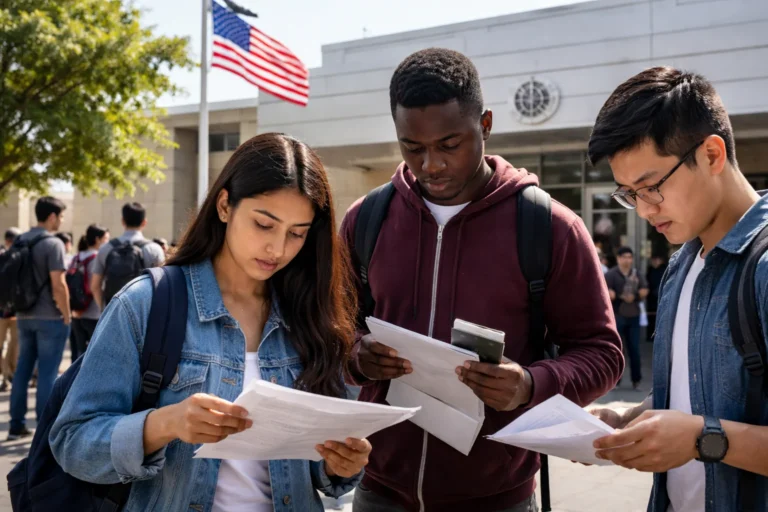
How AI is Transforming Everyday Life: A Deep Dive
Artificial Intelligence (AI) has moved from a futuristic concept to an integral part of everyday life. Its influence extends far beyond tech enthusiasts and researchers, shaping the way people work, communicate, learn, and even enjoy entertainment. As AI continues to evolve, it brings opportunities for innovation while also raising questions about ethics, privacy, and the role of human decision-making. This article explores the ways AI is transforming daily life, the industries most impacted, and what the future might hold.
AI in Daily Routines
One of the most noticeable ways AI has impacted everyday life is through convenience. Smart assistants like virtual home devices, AI-powered search engines, and personalized recommendation systems are designed to simplify daily tasks. For instance, AI can manage your calendar, suggest meals based on dietary preferences, or provide route optimization for commuting, making life more efficient and personalized.
Smart devices connected to AI systems have also revolutionized how people interact with their homes. From automated lighting and temperature control to AI-based security systems, the integration of AI allows for greater comfort, energy efficiency, and safety in daily living.
AI in Communication
Communication is another area experiencing a major transformation due to AI. Advanced algorithms can transcribe meetings, filter spam emails, and even provide real-time translation across languages. These technologies enable more seamless interactions between people from different regions and backgrounds.
Social media platforms are increasingly leveraging AI to curate content and detect harmful or inappropriate material. This allows users to have a more meaningful online experience while reducing exposure to cyber threats or misleading information.
AI in Work and Productivity
AI is redefining productivity across industries. In workplaces, AI-powered tools assist with data analysis, project management, and decision-making. By automating repetitive tasks, employees can focus on higher-value work that requires creativity and critical thinking. For example, AI can process vast amounts of financial data in seconds, providing insights that would take humans days or weeks to uncover.
In addition, AI is transforming hiring and human resources. Intelligent systems can screen resumes, match candidates to job roles based on skills and experience, and even help reduce unconscious bias by analyzing objective metrics.
AI in Healthcare
Healthcare has seen one of the most significant transformations due to AI. AI-driven diagnostics can detect diseases earlier and with higher accuracy than traditional methods. Machine learning models analyze medical images, patient history, and genetic data to assist doctors in making precise diagnoses.
Moreover, AI is improving personalized medicine. Algorithms can predict how patients might respond to certain treatments, allowing for tailored therapies that increase effectiveness and reduce side effects. AI is also enhancing mental health support, with chatbots and virtual therapists providing assistance to those in need.
AI in Education
Education is another domain undergoing a radical shift. AI-powered platforms can provide personalized learning experiences based on student progress, learning style, and interests. These systems can identify areas where a student is struggling and offer targeted exercises to improve understanding.
Teachers also benefit from AI tools that help automate grading, analyze student performance, and create engaging lesson plans. This allows educators to focus on mentoring and supporting students, rather than spending hours on administrative tasks.
AI in Entertainment and the Arts
The entertainment industry has embraced AI in creative ways. Streaming services use AI to recommend movies, music, and shows tailored to individual preferences. Beyond consumption, AI is becoming a tool for creation. In the music industry, platforms like Madeonverse, a vibrant musical community, leverage AI to assist artists in composing, mixing, and experimenting with new sounds. This collaboration between AI and human creativity is redefining what’s possible in music production.
Similarly, AI is transforming video production, animation, and gaming. Procedural generation, automated editing, and realistic visual effects powered by AI provide creators with new avenues to express their vision while streamlining production processes.
AI in Transportation
Transportation and mobility are experiencing significant AI-driven innovations. Self-driving cars, intelligent traffic management systems, and predictive maintenance for vehicles are improving safety, reducing congestion, and enhancing efficiency. AI-powered ride-sharing apps optimize routes and match passengers in real time, making urban travel more convenient and accessible.
Public transportation is also benefiting from AI through predictive scheduling and maintenance alerts. This ensures that resources are used efficiently while minimizing disruptions for commuters.
AI and Privacy Concerns
Despite the numerous benefits, AI raises important concerns about privacy and data security. As AI systems rely heavily on data, protecting personal information is critical. Users must be aware of how their data is collected, stored, and used, and companies must prioritize transparency and ethical data practices.
Additionally, AI systems must be designed to minimize bias and avoid discriminatory outcomes. Ensuring fairness and accountability in AI decision-making is essential to prevent unintended consequences that could impact individuals or communities.
Preparing for an AI-Driven Future
As AI continues to shape everyday life, individuals and organizations must adapt. Staying informed about the latest advancements is key. Resources like Learn more (techforbess) latest updates provide insights into emerging AI trends, practical applications, and innovations that can enhance daily life.
Embracing AI responsibly involves balancing convenience with ethical considerations. It requires continuous learning, awareness of potential risks, and an understanding of how AI can complement human abilities rather than replace them.
Conclusion
AI is no longer a distant technology reserved for research labs; it is an integral part of modern life. From communication and healthcare to entertainment and transportation, AI is transforming the way people live, work, and create. By leveraging AI responsibly, society can harness its potential to improve efficiency, creativity, and overall quality of life.
The journey of AI in everyday life is just beginning. With thoughtful implementation and a commitment to ethical practices, the possibilities are limitless. Whether it’s using AI to streamline your daily routine, support your professional goals, or enhance creative pursuits, the impact of AI will continue to grow, making life smarter, more connected, and more engaging than ever before.